The Perfect Milk Punch Recipe for Your Next Party
Milk punch is an old Southern party drink, and it works best when you treat it as a method rather than a rigid recipe. Here is how to plan one for a banquet table, with a version for guests who skip alcohol.
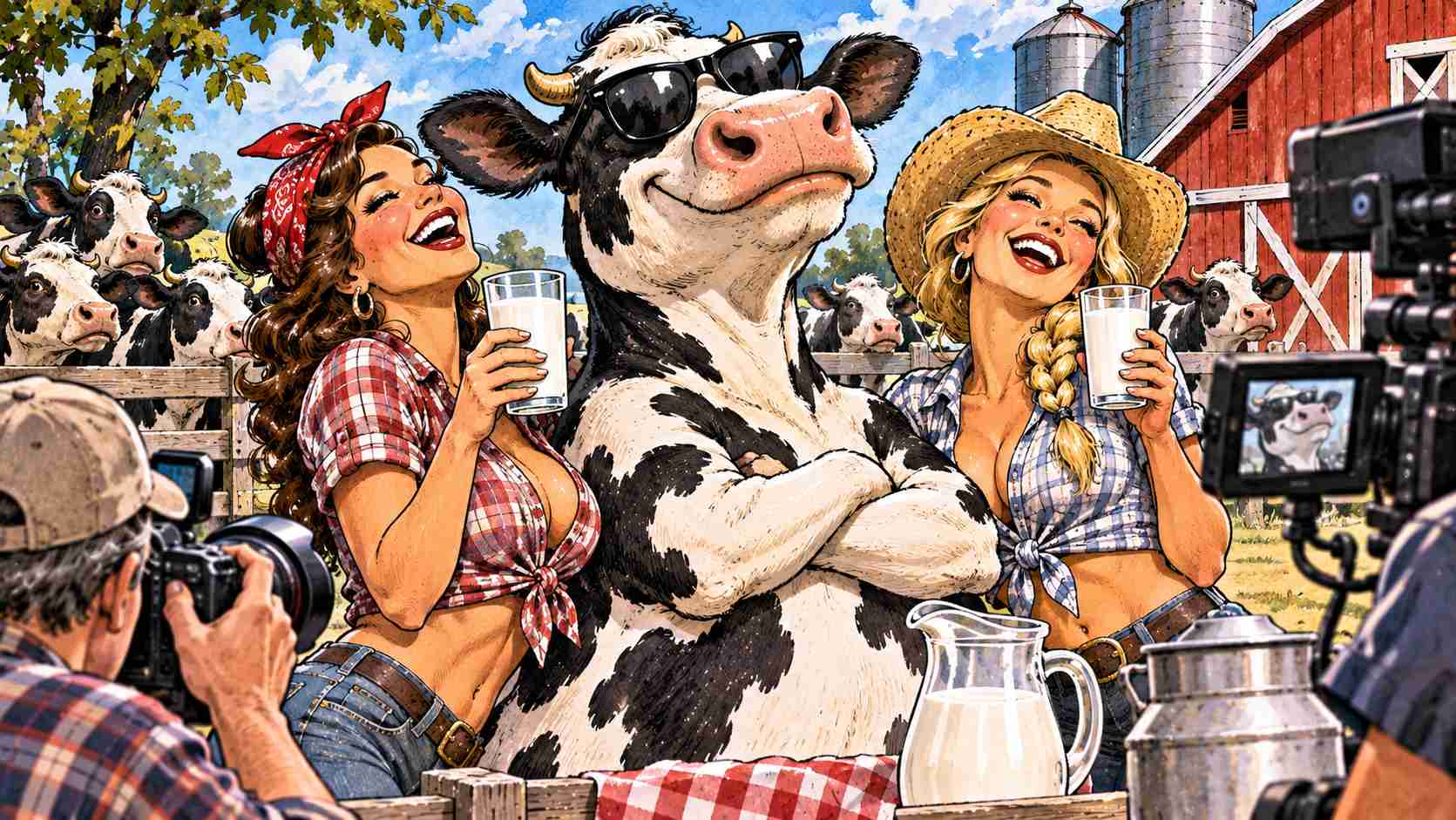
What is milk punch, and why does it suit a banquet?
Milk punch is a creamy, chilled drink built on milk or cream, sweetener, spice and, in many traditional versions, a spirit. It has been a holiday and brunch staple across the South for generations, which makes it a natural for a Texas dairy awards night.
Its biggest advantage for a host is that most of the work happens ahead of time. You mix, chill and then ladle, instead of playing bartender all evening.
For general background on dairy foods and serving ideas, the USDA and Texas A&M AgriLife Extension both publish free consumer resources.
How do you build the base?
Think in layers. Start with cold whole milk or a milk and cream mix for body, add a sweetener that dissolves easily, then add flavor such as vanilla, nutmeg or cinnamon. Taste as you go, because sweetness is easy to add and hard to remove.
I am deliberately not giving exact measurements here, because they depend on how many guests you have and how rich you like it. Scale a small test batch first, write down what you did, and multiply for the real thing. Dairy promotion groups like Dairy MAX share serving ideas that can help.
A good punch also benefits from time. Many hosts mix the base the day before and let the spices settle in the fridge overnight, then stir and taste again right before the doors open. If a skin forms or the flavors separate, a quick whisk fixes it. Taste again for sweetness once the drink is cold, because chilling mutes sugar.
How do you make a version for everyone?
Make the non-alcoholic base first and keep it in its own pitcher. Guests who want a spirit can add their own at the bar, and nobody has to explain why they are skipping it. Label both clearly.
If you host an event where driving matters, which is most of them, offer a good alcohol-free option as the default, not an afterthought. Texas also has rules for serving alcohol at events, so check with the Texas Alcoholic Beverage Commission or your venue before planning a bar.
A non-alcoholic version also gives you a canvas for kids and designated drivers. Try a slightly spicier or more vanilla-forward profile so it feels like a drink with its own identity, not just a punch with something missing. Garnish both versions the same way so the table looks unified.
How do you keep the dairy safe for hours?
Milk-based drinks are not a room temperature food. Keep the base in the fridge until serving, and serve it from a bowl nested in ice rather than a counter-height punch bowl that warms up. The FDA and CDC give general guidance on time and temperature for perishable foods.
Pasteurized milk is the safe default for a crowd. Raw milk raises extra concerns for children, older guests and anyone pregnant, so the Texas Department of Agriculture is a good place to read up on state rules before you consider it.
- Chill everything before mixing
- Serve over ice, not warm
- Toss leftovers that sat out too long
- Use pasteurized dairy for crowds
What goes well alongside it?
Something salty or buttery balances the sweetness. Think pecans, biscuits, ham sliders or cheese straws. A plate of fruit helps too, especially for guests who want something lighter.
If you are looking for local ingredients, this small farm guide is a helpful reading list for finding honey, eggs and nuts from nearby producers, and a county fair or farmers market can fill in the rest.
Do not overload the table with sweets. Milk punch already carries sugar and cream, so a savory plate keeps guests from feeling full too early. If dinner is yet to come, keep the portions of punch modest, in small cups, and offer water throughout the evening.
How can you tie it into the evening?
A banquet is a good place to tell people where their food comes from. A small card by the punch bowl naming the dairy that supplied the milk makes a nice nod to the people being honored. Mention the local fair and rodeo guide on your program if your banquet doubles as a community night.
Over at farm.FM they have plenty of reading for the after-dinner crowd, from dairy tales to farm satire, and even a farm.FM story about party punch. Nothing says banquet like arguing over the recipe.
Whatever you serve, set expectations kindly. Tell guests what is in each pitcher, mention that dairy is involved, and let anyone with an allergy or dietary need skip it without having to explain. Hosting is mostly about being a person others can relax around.
Sources and further reading
- FDA: food and drug safety
- CDC: public health
- Dairy MAX: dairy promotion in the Southwest
- Texas Department of Agriculture: state agriculture agency
- Texas A&M AgriLife Extension: Texas extension service
Ask locally: Ask a county Extension agent about food safety, and your venue about local alcohol rules.