The Texas Dairy Industry’s Animal Welfare Program
Animal welfare is how a dairy treats its cows every day, and communities that care about dairy often want to support it. Here is a plain look at what welfare means and how giving can help.
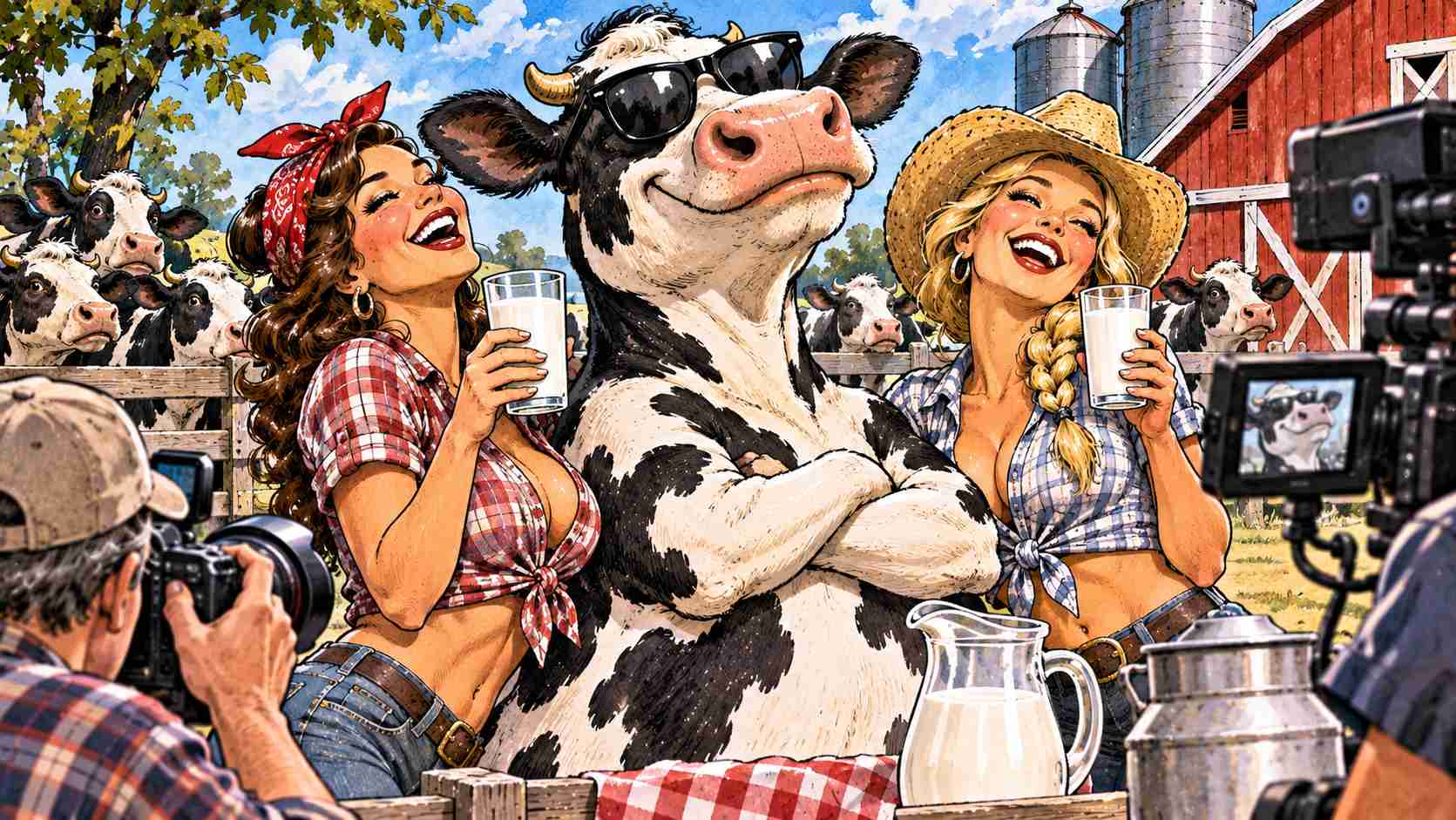
What does animal welfare mean on a dairy?
Welfare covers the cow's health, comfort, feed, water, handling and the skill of the people around her. The headline names a Texas dairy industry program. Confirm its details at the official source it names, because terms and participation rules can change. What follows is a general overview.
Welfare is not a slogan. It shows up in how a stall is bedded, how a lame cow is spotted, and how quietly people move through a pen.
A dairy that is open to visitors has an extra duty to explain itself. That is where welfare practices, clearly posted and consistently followed, make a farm easier to trust. Ordinary visitors tend to remember how a farm felt: whether it was clean, whether the animals looked calm, and whether the people were willing to answer a question without getting defensive.
Families in Erath County and across the Texas dairy belt often share a long history with their animals, and many talk about their cows by name. That personal knowledge is one of the best welfare tools a farm has, because a person who knows what is normal for a cow will notice what is not.
What practices do people usually point to?
Common themes include comfortable resting space, clean water, balanced nutrition, prompt treatment, humane handling and trained staff. Veterinarians and nutritionists help each farm decide what works. USDA APHIS provides federal animal health information, and the Texas Animal Health Commission covers state rules.
A farm that writes down its standards and trains workers on them is easier to trust.
- Clean, dry resting areas
- Fresh water at all times
- Trained handlers
- Records for treatments
- Regular veterinary visits
How can a community support good practice?
Giving can take many forms: scholarships for students who study animal science, funding for a training day, or support for a local vet clinic. Before you give, ask the organization how it spends money and who oversees it. Transparency is a good sign.
The small farm information guide and Dairy MAX are examples of educational sources that groups can use to design programs.
A smaller gift can make a big difference. A local group might host a supper where the ticket price supports a student's animal science scholarship, or a service club might buy bedding or supplies for a school farm. The key is clarity about what the money does, and a short thank-you report afterward.
What should donors ask?
Ask for the mission in writing, ask who receives funds, and ask whether the group has a way to report results. Be careful with solicitations that pressure you to act quickly. The IRS explains the basics of charitable giving, and a licensed tax professional can advise you on specifics.
If a request claims a connection to an agency or program, confirm it with that agency directly.
Where do consumers and farmers meet?
Open barn days, school visits and tours let the public see how a dairy runs. Visitors should follow the farm's rules, and hosts should keep herds protected. The dairy herd care guide offers a view of daily herd work for those who want to learn more.
Questions are welcome. Most dairy families enjoy explaining what they do, especially to kids.
How does the news cover welfare?
Stories about animal treatment can be emotional. Look for sources that name their methods and let farmers answer. The FDA and USDA publish official information that helps you check claims, and extension offices can translate technical terms.
At farm.FM, the farm news and satire and dairy section cover the lighter and serious sides of rural life, with the humor clearly in its own lane.
When you read a claim, ask what the source is, how the information was gathered, and whether the farmer's side is included. A balanced piece will include both. If it does not, treat it as a starting point, not the full story.
What can you do this month?
Visit a farm if invited, ask good questions, and thank the people who do the work. If you give, give to a group you have checked. See the farm.FM story on cow welfare and community for another voice.
Whatever you read, confirm official program details with the named source, and remember that practices differ between farms.
Sources and further reading
- USDA APHIS: animal and plant health
- Texas Animal Health Commission: animal disease rules
- Dairy MAX: dairy promotion in the Southwest
- IRS: federal tax guidance
- FDA: food and drug safety
- USDA: U.S. Department of Agriculture
Ask locally: Ask your herd veterinarian or county AgriLife Extension agent.