The Texas Dairy Industry’s Community Service Initiatives
Dairy people have a long habit of helping neighbors. This guide looks at the kinds of community service dairies can take on and how to start one without overcommitting.
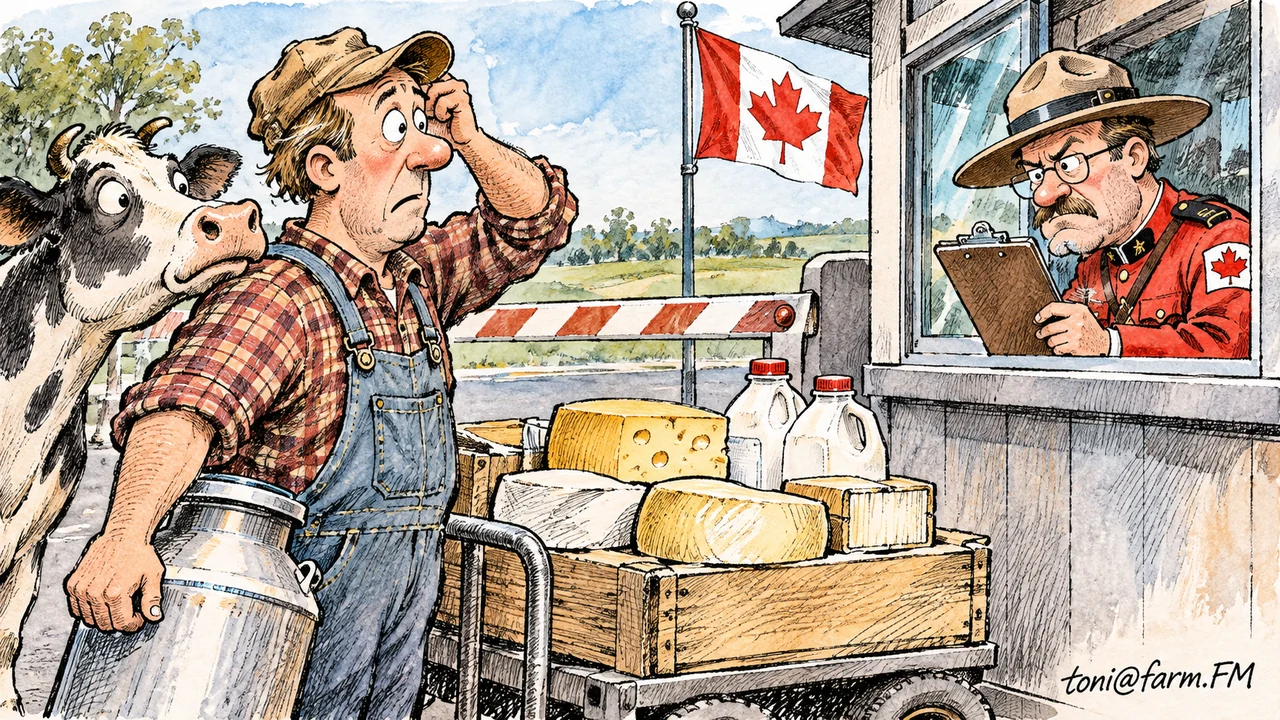
What does community service look like for a dairy?
The headline refers to the Texas dairy industry's community service initiatives in broad terms. Specific programs, partners and schedules should be confirmed with the organizations that run them. In general, service can mean donating milk and dairy foods, hosting farm tours, supporting youth groups, volunteering at events or helping neighbors after bad weather.
Most of it is small and local. A few people, a trailer and a good idea can do real good.
Think of service as a habit instead of an event. A quarterly drive or a monthly volunteer day usually does more good than a single big splash, and it is easier on the people who run it.
Where do you start?
Pick one cause that matters in your area, such as hunger, youth education or emergency help, and one task you can handle consistently. Contact your county Extension office, school district or food pantry and ask what is needed. Texas A&M AgriLife Extension and Texas Farm Bureau often hear about opportunities.
In a town like Stephenville, a phone call to a church, school or civic club will tell you more than a long search online.
If you are unsure where to begin, offer a skill. Many nonprofits struggle to find mechanics, electricians, cooks and bookkeepers. Your talent may be worth more than a check.
How can a dairy involve its employees?
Service works better when it is shared. Offer paid time for a volunteer shift, let employees choose a cause and recognize those who step up. Be mindful of labor rules and workplace safety. The U.S. Department of Labor and OSHA publish general guidance, and a lawyer or accountant can answer specific questions.
If your workforce includes people of different languages and backgrounds, ask everyone for ideas. The best projects come from those who know what the community needs.
Make it easy for staff to say no. Service that feels forced does not last. Make participation voluntary, flexible and appreciated.
- Choose one cause
- Offer paid time when possible
- Share the credit
- Keep records of hours and donations
- Say thank you
How do youth fit in?
4-H and FFA members can run drives, visit nursing homes, clean up parks and help at community meals. The fair and rodeo guide describes how youth events often include service, and the dairy herd care guide helps students explain dairy to neighbors.
Adults should supervise, plan for safety and make sure kids have a chance to reflect on what they did and learned.
Service projects also teach practical skills. Planning a drive means budgeting, scheduling, promoting and reporting, which is exactly what a young person needs to learn before running a business or a farm. Let students own a piece of the plan, and step in only when safety requires it.
How do you give responsibly?
Donate what is needed, not what is convenient. A pantry may prefer money for fresh food over a pile of cans. Ask before you show up with a truck. If you donate food, follow safe handling rules from the FDA, especially for perishable dairy.
Keep good records for tax purposes, and talk to a licensed tax professional about what qualifies. The IRS publishes general information on charitable giving.
It is good practice to keep a simple spreadsheet of what you give, when you gave it and who received it. That helps at tax time and when you decide what to do next year.
Why does it matter?
Service builds trust. Neighbors who see a dairy helping tend to give it the benefit of the doubt in zoning, water and labor discussions. It also gives staff a source of pride.
Around the web, farm.FM keeps a dairy section and a farm news section worth a look, including a farm.FM story on dairy giving. Confirm details of any program with its organizers.
Do not forget the quiet kind of service: checking on an elderly neighbor, lending a trailer or hauling water in a dry spell. Those moments rarely make the news, and they are the ones people remember.
Finally, tell the story honestly. If you share what your dairy did on social media or in the local paper, name the partner, be specific and avoid inflating numbers. Credibility is worth more than a flashy headline, and partners appreciate accurate credit.
Sources and further reading
- Texas A&M AgriLife Extension: Texas extension service
- Texas Farm Bureau: state farm organization
- U.S. Department of Labor: labor rules and programs
- OSHA: workplace safety
- FDA: food and drug safety
- IRS: federal tax guidance
Ask locally: Ask your county Extension office, school district or local food pantry about current needs.