The Texas Dairy Industry’s Waste Reduction Program
Waste on a dairy is money out the door, whether it is spilled feed, discarded milk or extra plastic. Here is a practical look at waste reduction and a plan for a gathering where producers swap ideas.
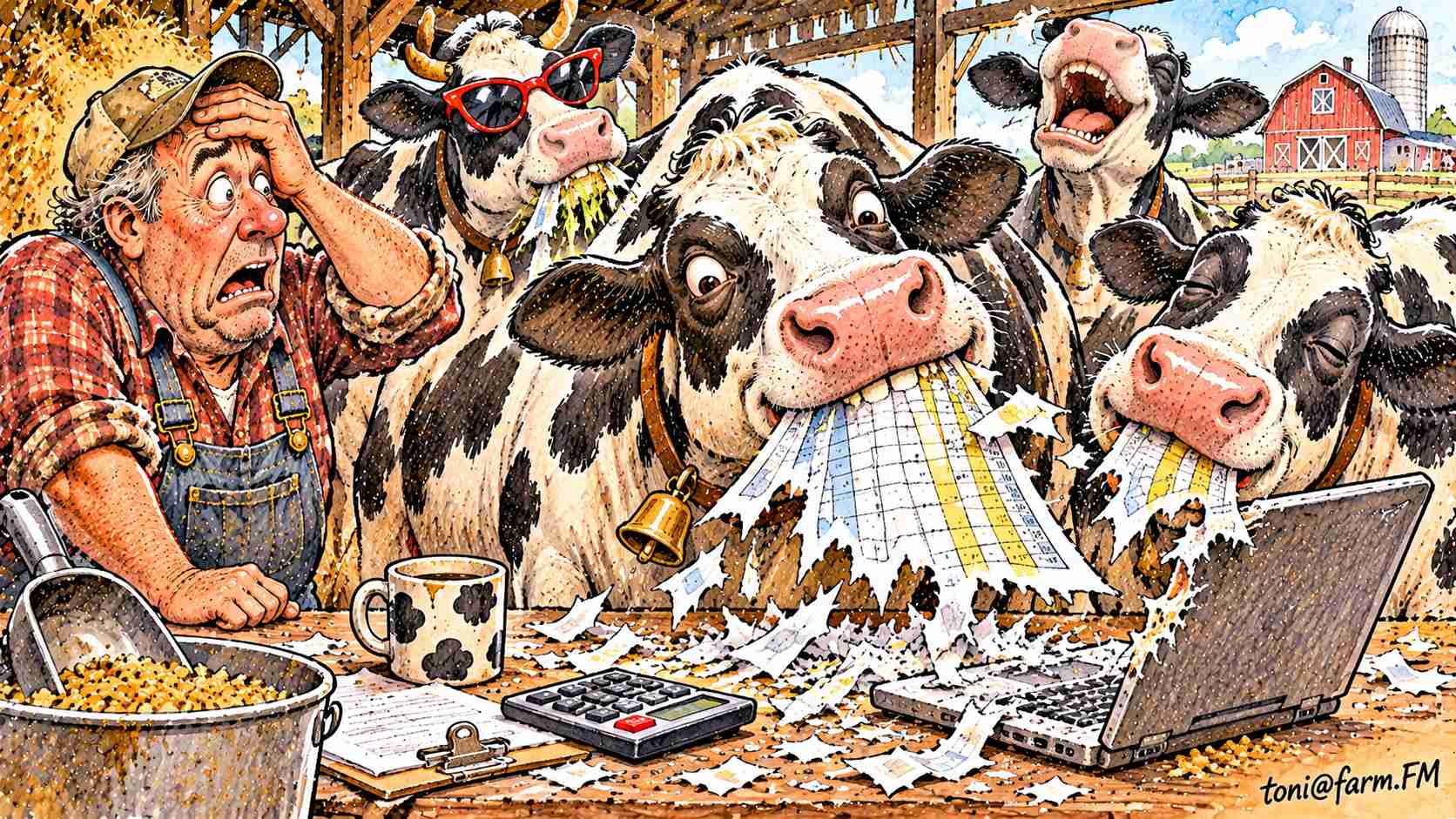
Where does waste show up on a dairy?
Feed shrink, spoiled silage, discarded milk, worn-out plastic wrap, packaging, water and energy are the big ones. A producer who tracks them for a month often finds surprises. A bunker face left uncovered, a leaking trough or a sloppy feed mixer can cost real money.
The program in the headline is a Texas dairy industry effort that should be confirmed with its sponsor. This independent site does not run it.
A good first move is a one-week audit. Put a notebook by the feed mixer and the milk house and write down every time something is thrown away or wasted. The list will be shorter than you fear and more useful than you expect.
Which steps pay off fastest?
Start with feed, since it is usually the largest cost. Good bunker packing, tight covers and clean-up around feed bunks reduce shrink. Calibrate scales and mixers so rations are accurate. For milk, review why milk is being dumped: treated cows, mastitis or equipment issues each have different fixes.
Texas A&M AgriLife Extension can help with feed and forage questions, and Hoard's Dairyman publishes practical articles.
Crew buy-in makes everything work. If workers see waste reduction as extra chores, it fades. If they see the savings, and maybe share in them, it sticks. Talk openly about what you learn and thank people who spot problems.
- Cover and pack silage carefully
- Calibrate scales and mixers
- Track discarded milk and its cause
- Fix leaks in water lines and troughs
What about plastic and packaging?
Silage wrap, feed bags, chemical jugs and ear tags create plastic waste. Ask your supplier about take-back options and bulk buying. Burning plastic is a bad idea for health and for the neighbors, and rules may apply, so check with the TCEQ on proper disposal.
For general farm safety around chemicals, see this farm safety guide.
Keep expectations realistic. You will not eliminate waste, and chasing every last gallon wastes time of its own. Focus on the items where the dollars and the effort line up, and revisit the list each season.
How do you organize a gathering?
Pick a theme such as feed shrink or plastic. Invite three producers to share what worked. Hold it in a barn, a fellowship hall or a county building. Provide coffee and a simple agenda: welcome, three short talks, open discussion, and a sign-up for farm visits.
The fair and rodeo planning guide covers volunteers, parking and signage. Ask a local feed rep or vet to come and answer questions.
Consider a short follow-up call two weeks after the gathering. Ask each participant to share one change they tried, and write the results in a one-page summary to circulate. That follow-through turns a nice meeting into a habit.
Which agencies and groups can help?
The NRCS offers conservation help and may have practices related to waste handling. The Texas Department of Agriculture lists state ag programs. The USDA site has links to research and local offices. Check each for current terms.
For industry marketing and education, Dairy MAX serves the Southwest.
If you plan to apply for any program, read the eligibility rules carefully and confirm deadlines on the official page. Never rely on word of mouth for dates or payment amounts.
How do you measure progress?
Pick two or three numbers: pounds of feed shrink, gallons of milk discarded, and tons of plastic hauled. Track them monthly and share them with your crew. People respond to a chart on the break room wall.
Do not copy numbers from elsewhere without checking. Every farm is different, and a fair comparison is with your own past results.
Celebrate wins publicly. A note in a co-op newsletter or a mention at a church supper recognizes hard work and encourages neighbors to try the same ideas.
A little levity
Waste has its funny side. Over at farm.FM, writers have fun with farm life, including a farm.FM story about spilled milk. Visit the satire page and the dairy stories after the meeting wraps.
Sources and further reading
- Texas A&M AgriLife Extension: Texas extension service
- Hoard's Dairyman: dairy trade publication
- TCEQ: Texas environmental regulator
- USDA NRCS: conservation programs and technical help
- Texas Department of Agriculture: state agriculture agency
- Dairy MAX: dairy promotion in the Southwest
Ask locally: Your feed supplier, veterinarian and county Extension agent can help you find where a dairy is losing feed and milk.