The Texas Dairy Industry’s Nutrition Program
Feed is the biggest cost on a dairy and one of the biggest drivers of health and milk. Young people who understand nutrition have a real advantage.
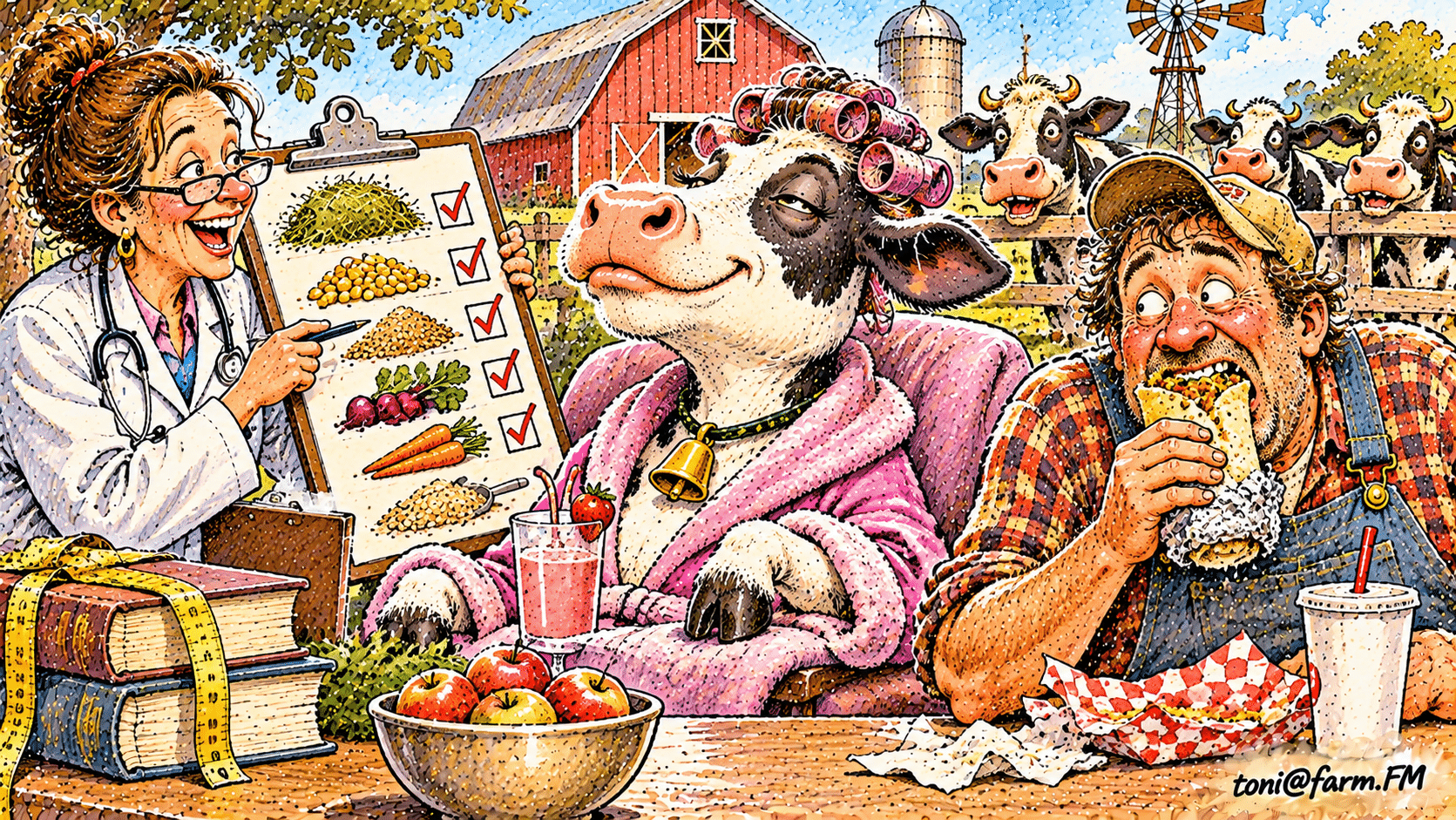
What is dairy nutrition?
Nutrition is the plan for what, when and how much a cow eats and drinks. It covers forage, grain, minerals, vitamins and water. The headline names a Texas dairy industry program on nutrition. Check official details at the source it names, and avoid relying on summaries for terms.
For students, nutrition is a hands-on way to learn biology, math and business all at once.
Cows eat all day, and a good ration is one that suits each group. Fresh cows, high producers, dry cows and heifers all have different needs. Students who learn that early see why one feed does not fit every animal.
Local advisors know the feeds and forages common in your part of Texas, so lean on them. A tip from someone who has fed cows in the same climate is worth more than a generic chart.
What goes into a ration?
Rations are balanced for the cow's stage, size and production. A nutritionist uses feed tests and records to build one. Students should learn the vocabulary and ask why each ingredient is there. Texas A&M AgriLife Extension and Dairy MAX offer educational materials.
The dairy herd care guide gives a basic overview of herd feeding and health.
Forage is the backbone of most dairy rations, and its quality varies with weather and harvest. Ask your nutritionist about feed testing and why it matters. A sample sent to a lab gives numbers that guide the ration. Students can help by labeling samples and keeping the results organized.
- Forage quality
- Balanced grain and minerals
- Clean, fresh water
- Feed testing
- Regular ration reviews
Why is water part of nutrition?
Water is the most important nutrient, and cows drink a lot, especially in hot weather. Check troughs, flow and cleanliness each day. Texas heat raises water needs, so watch the National Weather Service forecast and adjust.
Students should note water use in their records.
Frozen troughs can cut water access quickly, even in Texas, so check them daily during cold snaps.
How do students keep records?
Record feed amounts, costs, weights and health notes. Records show whether a ration works and how much it costs. They also teach habits valued by employers and lenders. The USDA NASS shows how national agricultural data is gathered.
Check with your advisor about the record format your chapter or fair requires.
A record book can include photos, notes on each animal, and a short summary of what you learned. When you present it at a show or a contest, you will be ready to answer questions with confidence.
What do feed costs mean for the farm?
Feed costs shape the farm budget. Prices change, so check current numbers at USDA AMS and USDA Dairy Market News rather than relying on memory. Talk with your advisor about how feed and milk prices interact.
This is general education, not financial advice.
Remember that feed prices are only part of the picture. Labor, equipment and weather also shape costs. Learn to look at the whole farm budget instead of a single line.
How can youth events help?
Contests, clinics and field days let students practice. Ask questions, thank volunteers and share what you learn. The fair and rodeo planning guide shows how events are organized, and the ag careers guide points to careers in nutrition.
Students who help younger members often learn the most.
Young people who master nutrition can look at careers as nutritionists, feed company reps, herd managers or farm owners. Ask your advisor to introduce you to people in those roles.
Keep each ration change on paper with the date and reason, so you can look back and see what helped.
What can you do this week?
Walk the feed lane with your advisor and write down three questions. At farm.FM, the dairy section and education pages are good reads, and a farm.FM story on cow nutrition gives a neighbor's perspective.
Always confirm official program details with the named source.
Share what you learn with younger members. Teaching someone else locks in your own knowledge, and the chapter gets stronger when everyone helps.
If something goes wrong, tell your advisor early. Problems with feed or health are easier to fix when they are small.
Sources and further reading
- Texas A&M AgriLife Extension: Texas extension service
- Dairy MAX: dairy promotion in the Southwest
- National Weather Service: forecasts and warnings
- USDA NASS: agricultural statistics and surveys
- USDA AMS: marketing and market news
- USDA Dairy Market News: weekly dairy price reports
Ask locally: Ask your FFA advisor, 4-H agent or herd nutritionist.