The Texas Dairy Industry’s Beginning Farmer Program
Starting in dairy takes patience, capital and good advisors. A beginning farmer program can help, and conferences and field days are where many newcomers meet the people who point them in the right direction.
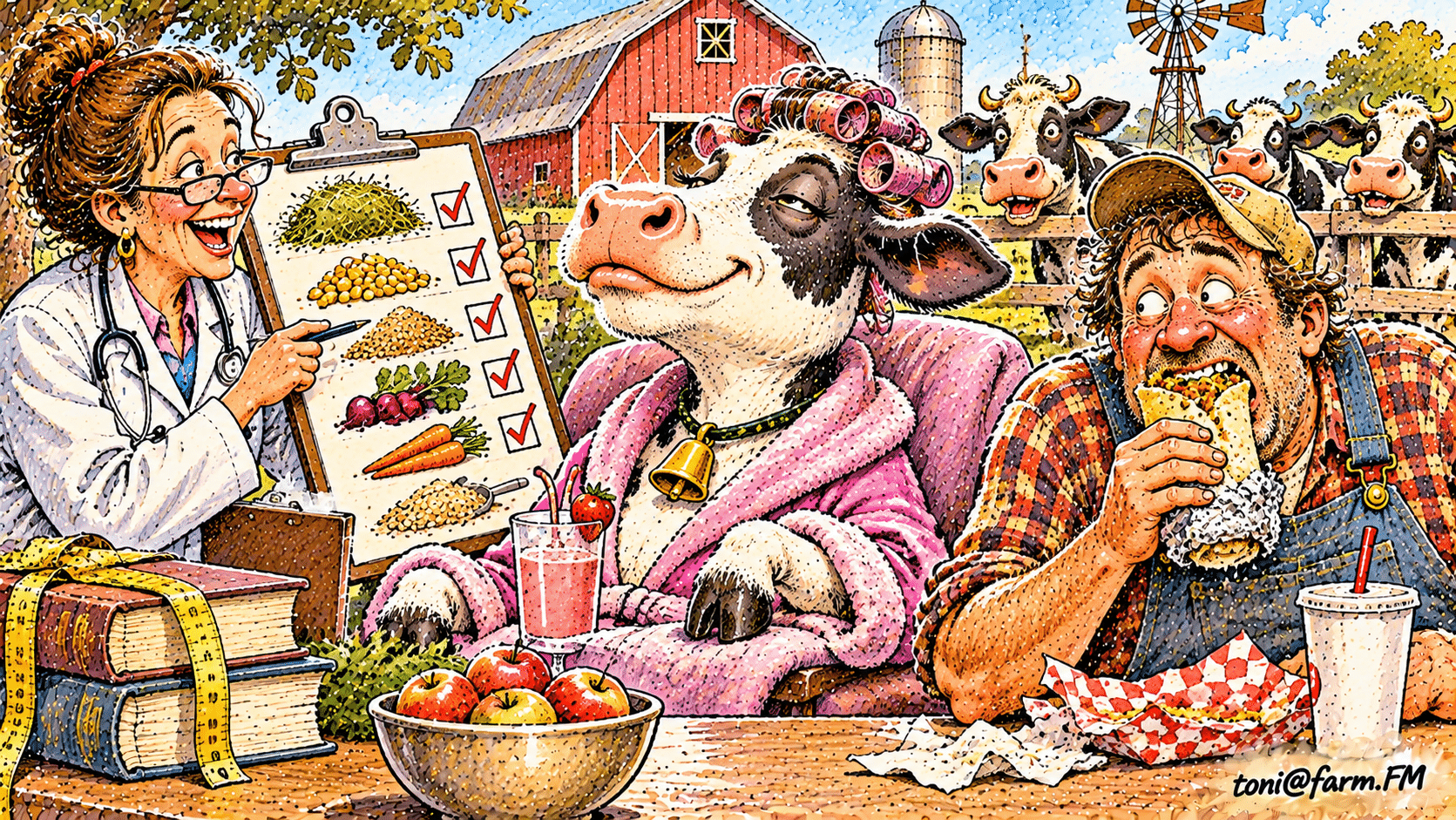
What counts as a beginning farmer?
Definitions differ by agency. Federal programs often set a limit on years of experience, and state or private groups set their own. The Farmers.gov site explains how USDA describes beginning farmers, and you should check current definitions there.
The program in the headline is described by the Texas dairy industry, and details should be verified with its sponsor. We are an independent events site and do not run it.
When you meet someone who claims to offer a program, ask who funds it and whether it is free. Real programs can name their sponsors. If you are asked to pay up front for access to grants or loans, stop and check with an official source such as the USDA before you sign anything.
Which resources do most newcomers use?
Newcomers usually lean on a few places: Extension, the Farm Service Agency, NRCS for conservation help, and a local lender. Each answers a different question. Extension helps with production, FSA with programs and loans, NRCS with soil and water practices, and the lender with cash flow.
For milk markets, the USDA Dairy Market News reports and the Dairy Margin Coverage pages are worth reading before you commit to any plan. Check current terms for every program.
- Extension for production questions
- FSA for programs and loans
- NRCS for conservation planning
- A local lender for cash flow
What should a business plan include?
Think of the plan as a map you will revise. It should cover herd size, feed costs, labor, milk marketing, equipment, debt payments and a cushion for bad months. Milk prices move around, so test your numbers against a poor year as well as a good one.
A plain overview of farm basics is available at this small farm information guide. It will not replace a professional, but it helps frame questions for your accountant and lender.
Include an exit plan. It sounds negative, but lenders respect it. If milk prices stay low or a key employee leaves, what do you do? Having an answer written down shows you have thought about risk, not just upside.
Why conferences and field days matter
A good field day lets you see how an operation handles feeding, milking and manure management. You can ask questions of people who have made the mistakes already. Conferences add speakers, trade booths and hallway conversations.
In Central Texas around Stephenville, the dairy industry holds a lot of gatherings through the year. Check with Dairy MAX and Texas A&M AgriLife Extension to see what is on the calendar, and confirm dates at the official pages, not from third-party listings.
Planning your own field day
If you want to host a field day, start with a clear purpose. Is it about forage, herd health or manure handling? Pick one theme and build around it. Line up a host farm, a speaker or two, restrooms, parking and a rain plan. Texas weather can swing from heat to storms in a day, so shade and shelter matter.
Fairgrounds and community buildings often work better than a working barn for the talks, while the farm tour covers the hands-on part. Keep the schedule tight and end on time.
Getting the most out of an event
Bring a notebook and a short list of questions. Introduce yourself to three people. Follow up within a week with a thank-you note or an email. Newcomers who do this tend to build a network quickly.
Over at farm.FM the dairy section has stories that show life on the farm, and a farm.FM piece on starting a dairy adds context beyond the technical side. For a bit of fun after a long day, try the music section.
Questions to ask before you start
Where will the milk go? Who will haul it? What happens if prices fall? Do you have a backup for labor? Does your plan work with your family's needs? Write down honest answers. If any one is a blank, make it your next homework assignment. For loans, learn the basics through Farm Credit materials and consult a licensed professional. For general ideas on starting small, the dairy herd guide is a plain-language place to begin.
Sources and further reading
- Farmers.gov: USDA one-stop site for producers
- USDA Farm Service Agency: FSA farm programs and loans
- USDA NRCS: conservation programs and technical help
- USDA Dairy Market News: weekly dairy price reports
- Dairy Margin Coverage: FSA Dairy Margin Coverage program
- Dairy MAX: dairy promotion in the Southwest
Ask locally: Visit your county Extension office or an FSA service center to ask what applies to new dairy producers near you.